
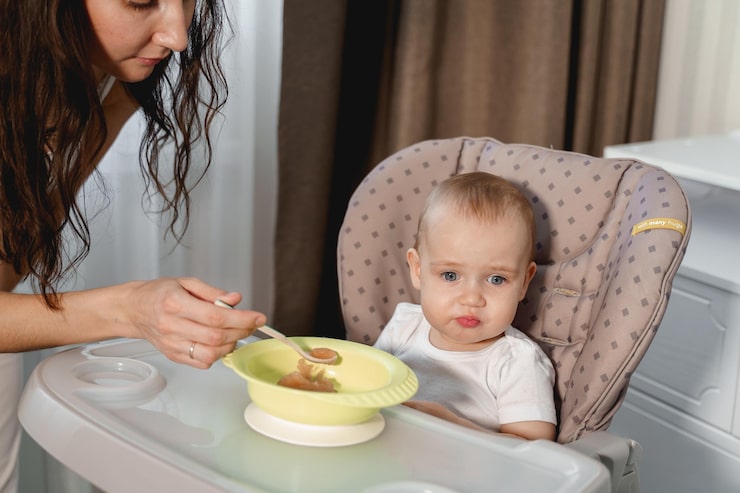
Parenting is one of the most rewarding experiences in life, but it can also be filled with challenges and uncertainty. Every child is unique, which means there is no single approach that works for every family. However, certain parenting strategies can help create a supportive environment where children feel loved, respected, and encouraged to grow. Learning effective parenting techniques allows families to build stronger relationships while helping children develop important life skills.
Modern parents often seek practical advice that fits into busy schedules and real-life situations. By following proven parenting principles, families can navigate daily challenges with greater confidence and create meaningful experiences together. One area many parents focus on is finding the best baby carriers to simplify daily routines while keeping young children close and secure.
Why Effective Parenting Matters
Parenting influences nearly every aspect of a child’s development. From emotional well-being to social skills and academic performance, children benefit when they receive consistent guidance and support.
Research has shown that positive parenting practices help children develop confidence, resilience, and healthy communication skills. Strong parent-child relationships also contribute to improved mental health and emotional stability throughout childhood and adolescence.
When parents create a nurturing environment, children are more likely to feel safe, valued, and motivated to explore the world around them.
Building Strong Parent-Child Relationships
A healthy relationship serves as the foundation for effective parenting.
Spend Quality Time Together
Children value attention and connection more than expensive gifts or elaborate activities. Spending time together through conversations, games, reading, or family outings helps strengthen emotional bonds.
Even small daily interactions can have a lasting impact on a child’s sense of security and belonging.
Practice Active Listening
Listening carefully shows children that their thoughts and feelings matter. When parents give their full attention during conversations, children feel respected and understood.
Active listening also helps parents better understand their child’s concerns, interests, and emotional needs.
Show Consistent Affection
Simple expressions of love and support help children develop confidence and emotional security. Encouragement, praise, hugs, and positive reinforcement can strengthen family relationships and build trust.
Encouraging Positive Behavior
Children learn through observation and experience. Parents play an important role in shaping behavior by setting expectations and modeling positive actions.
Set Clear Boundaries
Rules provide structure and help children understand acceptable behavior. Clear expectations make it easier for children to make responsible choices and understand consequences.
Consistency is important when enforcing family rules. Predictable responses help children feel secure and reduce confusion.
Focus on Positive Reinforcement
Recognizing good behavior often produces better results than focusing only on mistakes. Praising effort, responsibility, and kindness encourages children to repeat those behaviors.
Positive reinforcement builds self-esteem while helping children understand what actions are valued within the family.
Teach Problem-Solving Skills
Instead of immediately solving every challenge, parents can guide children through the process of finding solutions. This approach helps develop independence, critical thinking, and confidence.
Supporting Emotional Development
Emotional intelligence is an important life skill that begins developing during childhood.
Help Children Identify Emotions
Teaching children to recognize and express emotions helps them communicate more effectively. Parents can encourage discussions about feelings and provide language that helps children describe their experiences.
Create a Safe Environment
Children should feel comfortable sharing concerns without fear of harsh criticism. A supportive environment encourages honesty and open communication.
Model Healthy Emotional Responses
Children often learn emotional regulation by observing adults. Demonstrating patience, empathy, and healthy coping strategies provides valuable examples for young minds.
The Role of Healthy Habits in Parenting
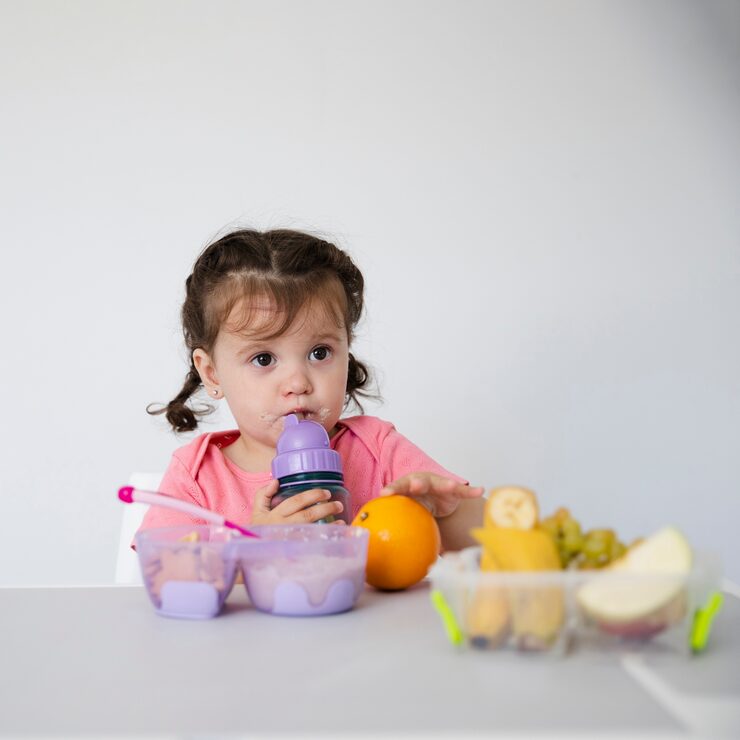
A child’s overall well-being depends on more than emotional support. Healthy routines contribute significantly to physical and mental development.
Proper sleep schedules, regular physical activity, and balanced nutrition all play important roles. Many parents prioritize providing healthy snacks for kids to ensure their children receive essential nutrients between meals. Combining healthy habits with positive parenting strategies creates a strong foundation for growth and development.
Families that focus on wellness often notice improvements in energy levels, mood, and daily routines.
Common Parenting Challenges and Solutions
Every parent encounters obstacles along the way. Understanding common challenges can make them easier to manage.
Managing Screen Time
Technology is a major part of modern life, but excessive screen use can affect sleep, attention, and physical activity. Establishing reasonable limits helps create a healthy balance.
Handling Tantrums
Young children often struggle to manage emotions. Remaining calm, acknowledging feelings, and maintaining consistent boundaries can help de-escalate difficult situations.
Encouraging Responsibility
Assigning age-appropriate tasks teaches accountability and independence. Simple responsibilities such as organizing toys or helping with household chores help children develop valuable life skills.
Tips for Modern Parents
Parenting does not require perfection. Small, consistent efforts often have the greatest impact over time.
Parents should focus on progress rather than unrealistic expectations. Building strong relationships, maintaining open communication, and providing support during challenges contribute to long-term success.
Seeking advice, learning from experience, and adapting to a child’s changing needs can help parents feel more confident in their parenting journey.
Long-Term Benefits of Positive Parenting
Children who experience supportive parenting often develop stronger self-esteem, better communication skills, and healthier relationships. Positive parenting practices encourage emotional resilience and help children navigate challenges more effectively.
These benefits frequently extend into adulthood, influencing academic achievement, career success, and personal well-being.
Conclusion
Effective parenting is built on connection, consistency, and understanding. By strengthening relationships, encouraging positive behavior, supporting emotional growth, and promoting healthy habits, parents can help children thrive in every stage of development. While no parenting journey is perfect, thoughtful guidance and daily support can make a lasting difference in a child’s life.
FAQ
1. What is the most important parenting skill?
Effective communication is one of the most important parenting skills because it strengthens trust, understanding, and emotional connection.
2. How can parents build a stronger relationship with their children?
Spending quality time together, actively listening, and showing consistent support help strengthen parent-child relationships.
3. Why is positive reinforcement effective?
Positive reinforcement encourages desirable behaviors by recognizing effort and achievements, helping children build confidence and motivation.